Disney World Family Outfits That Aren't Matching Shirts
On this page 6
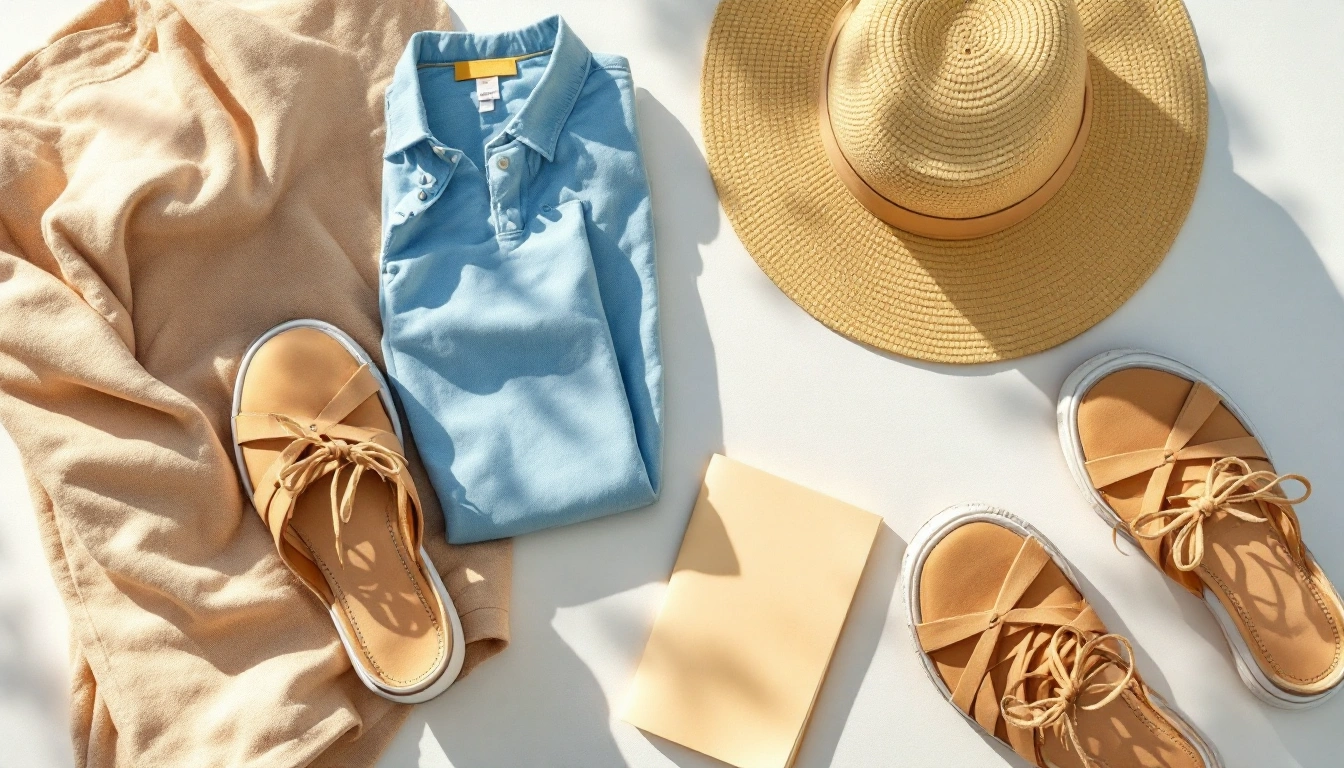
Disney world family outfits photograph better as a shared color family than as five identical t-shirts. Pick two or three colors — say, soft blue, white, and tan — and let everyone wear something in that palette in whatever silhouette actually fits them: a dress for one kid, shorts and a tee for another, a polo for dad, a tank for mom. The photos read as coordinated without anyone standing there in a matching costume.
For a printable version of this — a color-family planner plus the general packing checklist to go with it — grab the free Disney World First-Timer Planning Binder.
Why a color family beats matching shirts
Identical shirts photograph fine in one specific setup: everyone lined up, facing the camera, on purpose. They photograph badly in every candid shot, which is most of the photos from an actual park day. A shared color palette works in both situations because it doesn't rely on everyone standing still and cooperating.
It's also more comfortable to pull off. A five-year-old and a fifty-year-old rarely want the same cut of shirt, and forcing a match usually means someone's wearing something they'll complain about by 10am. A color palette lets each person wear a shape and fabric that actually works for their day, while the group still reads as put-together in photos.
Pick colors that show up well against the parks themselves — Magic Kingdom's pastel buildings and green landscaping, for example, play well with warm neutrals and soft brights. Avoid pure white as a dominant color if you can; it shows dirt and sunscreen streaks fast on a long day, though a white accent piece is fine.
Budgeting for the whole family at once
Buying outfits for a family of four or five adds up fast, especially once shoes enter the picture. The trick is treating it as one budget line rather than pricing each person's outfit separately. Set a total for the trip's worth of park-day clothing, then split it across people by actual need — growing kids may need more new pieces than adults who already own moisture-wicking basics.
Buy shoes first and clothing second. Shoes are the one item where fit and break-in time actually matter for comfort; a shirt that's slightly wrong is annoying, a shoe that's slightly wrong ends the day early for whoever's wearing it.
Different ages, different comfort needs, same day
A toddler in a stroller has different clothing needs than a ten-year-old walking the whole day, and both are different from the adults carrying the bags. The toddler needs breathable fabric and easy diaper-change access more than walking-specific gear. The ten-year-old needs the same shoe-and-sock logic as an adult, since they're covering close to the same mileage. Adults need to think about carrying capacity — pockets, a bag that fits everyone's extra layers — on top of their own comfort.
Trying to dress the whole family to one standard usually means someone's needs get ignored. Plan each person's outfit around what their day actually looks like, then unify the look with color rather than identical pieces.
Half-matching: the practical version of coordinating
Half-matching means everyone shares a color or two, but not a cut, pattern, or exact shirt. One kid in a striped tee, another in a solid one, both in the same blue. Dad in a polo, mom in a sundress, same tan-and-white palette. It reads as coordinated in a photo from twenty feet away, which is the distance most park photos actually get taken from, without anyone feeling like they're in a uniform.
This approach also survives a multi-day trip better. Packing five identical shirts for five people means five items that can only be worn as a set. Packing a shared color palette means every piece mixes with everything else, so laundry and repacking are easier too.
Where matching still makes sense
Full matching earns its keep in one specific case: keeping a group visible and easy to spot in a packed park. If keeping track of several kids in a crowd is the actual goal, one bright, easy-to-spot color — a specific shade of orange or teal that nobody else around is likely wearing — does that job better than a subtle color family. That's a practical call, not a style one, and it's worth making on purpose rather than defaulting into it.
Buying the gear
Once the palette's picked, the shopping gets simple. Moisture-wicking basics in coordinating colors, plus broken-in-friendly shoe options sized for the whole family cover most of what a family actually needs once the color plan is set.
A shared palette, sized right for each person, does more for family photos than any matching shirt ever will — and everyone's actually comfortable by hour eight.