What to Wear to Disney World, By Season
On this page 8
What to wear to Disney World comes down to three things every season shares: broken-in walking shoes, layers you can add or shed, and rain gear you can carry without thinking about it. After that, the details shift depending on when you're going. Here's the quick version, season by season.
The free Disney World First-Timer Planning Binder has a packing checklist matched to each season below, so you're not guessing the night before you leave.
Spring (roughly March through May)
Expect mild mornings, warm afternoons, and pollen if you're near grass and gardens. Layers work best — a light long-sleeve or a thin jacket for the morning, shorts and a breathable tee once the sun is up. Afternoon storms start becoming common toward late spring, so a poncho earns its spot in the bag from this point on.
Summer (roughly June through September)
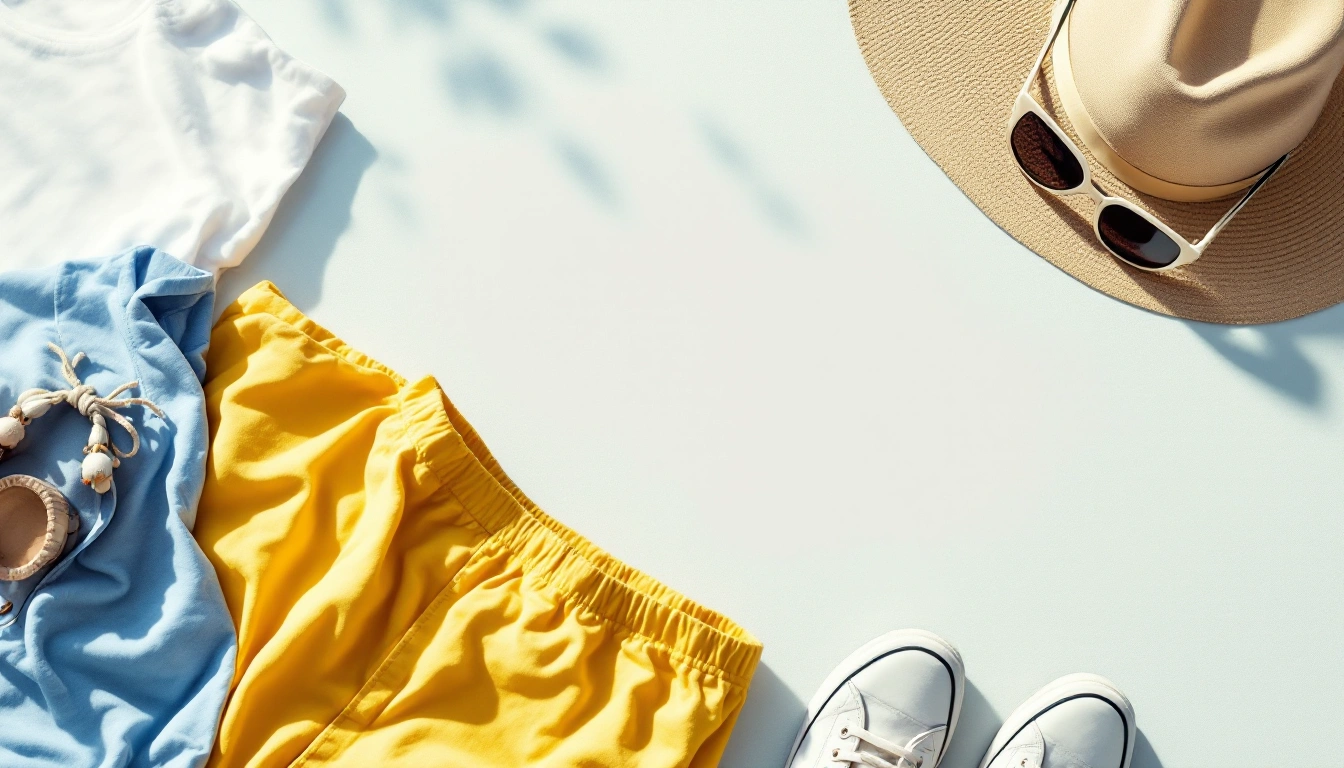
This is peak heat and humidity, with near-daily afternoon storms. Moisture-wicking, loose-fitting fabric matters more than anything else — cotton stays wet once it's sweated through. A hat, UV-protective sunglasses, and a cooling towel make a real difference across a full park day. Bring a backup pair of shoes; a soaked pair from a storm or a water ride takes longer than overnight to dry.
Fall (roughly October through November)
Fall runs warm early and cools off by evening, especially once the season moves toward late November. Shorts and breathable tops still work for midday, but a light layer for after sunset stops you from getting cold on the walk back to your resort. Storms are less frequent than summer but still possible, so a packed poncho stays worth it.
Winter (roughly December through February)
Florida winter is mild compared to most of the country, but mornings and evenings can genuinely feel cold, sometimes into the 40s. A jacket or fleece you can layer over a t-shirt covers most winter days — you'll likely peel it off by early afternoon and put it back on after sunset. Closed-toe shoes matter more in winter than any other season.
What stays the same in every season
- Shoes: broken-in, not brand new, and comfortable across 15,000 to 25,000 steps a day.
- Socks: more pairs than days, and something with a bit of cushion rather than thin cotton.
- Rain gear: a poncho, not an umbrella — umbrellas are awkward in queue lines and useless on rides.
- A layer: restaurants and indoor attractions run cold with air conditioning no matter what the weather's doing outside.
- A small bag: cross-body or a slim backpack, easy to open at bag check and to hold on your lap on a ride.
A few common questions
Do I need a rain jacket instead of a poncho? No. A rain jacket adds a layer you're stuck wearing once the sun comes back out, and it still gets soaked through in a real downpour. A poncho goes over your bag as well as your body, folds down to nothing, and comes off the second the rain stops.
Do restaurants have a dress code? A handful of the higher-end table-service spots ask for "resort casual" — no swimsuits, no tank tops for men, closed shoes in some cases. Everything else, including most table-service restaurants, is fine with whatever you wore in the park that day.
What about evenings and fireworks shows? Temperatures drop faster than people expect once the sun is down, in every season except peak summer. A light layer that packs small is worth carrying even on a warm-looking day if you're staying for an evening show.
Do ponchos and closed-toe shoes matter even in summer? Yes to both. Summer storms are heavier and faster than other seasons, and wet flip-flops on a wet queue floor are a slip risk worth avoiding.
The one mistake that crosses every season
New shoes. It doesn't matter what the calendar says — shoes that haven't been worn outside the store before a full day of walking are the single most common outfit mistake at Disney World. Break them in for at least a couple of weeks before you travel, in any season. A park-day gear kit with ponchos, cooling towels, and a cross-body bag matched to the season you're traveling in
Quick answer if you only read one line
Dress for the season's weather first, then add broken-in shoes, a poncho, and a bag you don't mind carrying for eight hours. Everything else is a detail, not a decision.