Disney World Packing List PDF: Free Printable Checklist
On this page 11
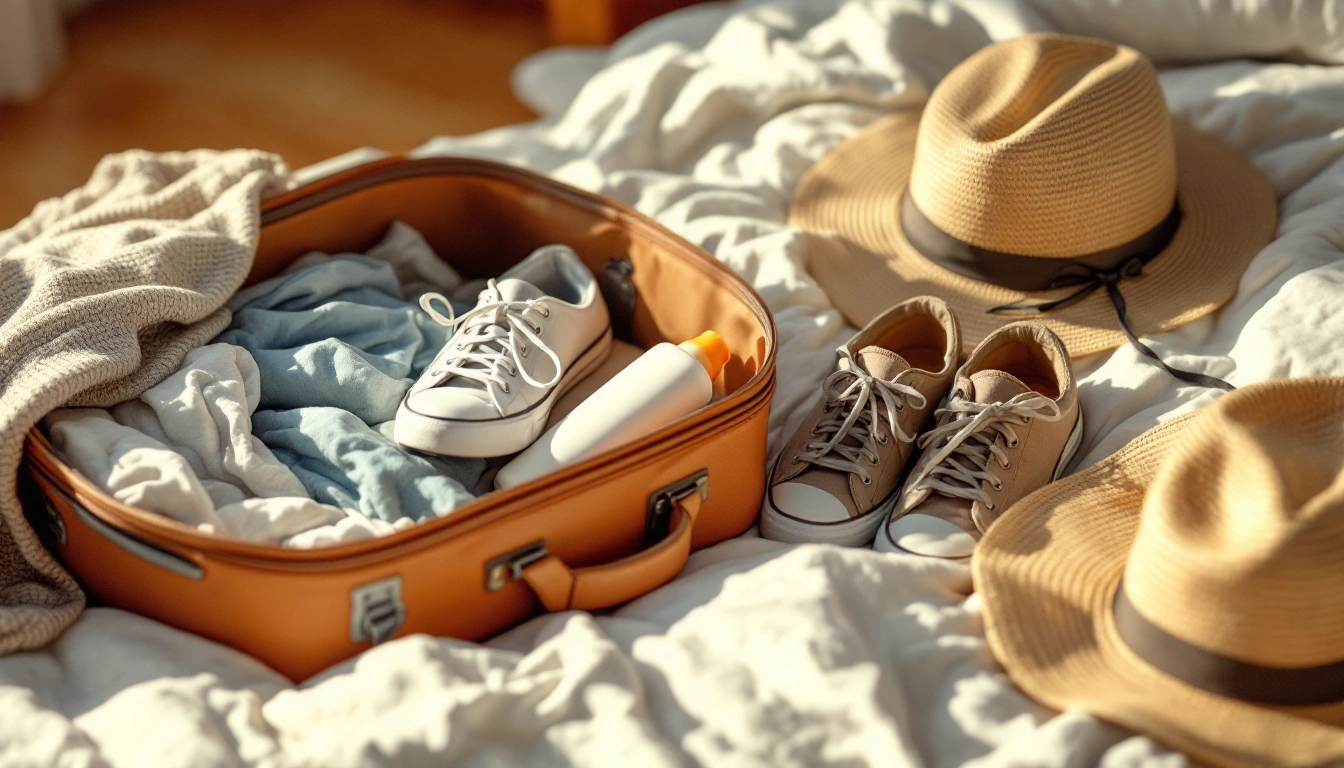
This Disney World packing list PDF separates what goes in the park bag from what stays at the hotel. The free printable also includes per-person and weather checklists, so you can pack for each traveler without carrying a suitcase around Magic Kingdom.
Park bag checklist
The park bag, carried every day:
- Refillable water bottles, one per person
- Portable charger and a cable per phone
- Ponchos, not umbrellas
- Sunscreen, already applied before you leave
- Hats for everyone
- A change of shirt for anyone under about six
- Snacks, since you can bring your own food in
- Painkillers, blister plasters, hand sanitiser
- A small cross-body bag or a slim backpack, nothing big
Hotel suitcase checklist
The suitcase, which stays at the hotel:
- Two pairs of broken-in walking shoes each, so one can dry
- More socks than days
- A light layer for evenings and over-air-conditioned restaurants
- Laundry pods if your resort has machines
- A power strip without a surge protector, if your room is short on outlets
What first-timers wish they'd packed: a second charger, blister plasters before the blisters, and a bag that closes properly on a wet ride.
The printable version is delivered by email in the free First-Timer Planning Binder. It includes park-bag, suitcase, per-person, and weather pages you can tick off before you leave. Use it with the Disney World planning guide PDF and the six-day Disney World packing list to keep the rest of the trip in one binder.
What the Disney World packing list PDF includes
The binder splits packing across three printable sheets:
- A daily park-bag checklist for water, chargers, rain gear, sun protection, snacks, and first aid
- A suitcase checklist for clothes, shoes, toiletries, room supplies, and each traveler
- A weather add-on for heat, rain, and cooler winter mornings
Print one per trip, then write names beside shared items so two people do not both assume the other packed the charger.
Weather add-ons
Add or remove these items after checking the forecast a few days before the trip:
- Hot weather: sunscreen, hats, refillable water bottles, breathable layers, and a cooling towel
- Rain: compact ponchos and a waterproof pouch for phones
- Cooler mornings: a light jacket or extra layer for each person
Ponchos, not umbrellas
Afternoon storms in central Florida are routine for much of the year and they pass quickly. Umbrellas are awkward in queues and useless on a ride. A poncho goes over you and your bag, packs down to nothing, and can be reused all week.
Buy them before you travel. In-park rain gear is priced for people who didn't.
Shoes are the whole trip
Walking varies by itinerary, park, and family, so treat footwear as a comfort decision rather than packing to a fixed step estimate. Whatever you wear will be tested harder than it would be on an ordinary day.
Two rules prevent most of the misery. First, shoes should not be new. They need to have been walked in for weeks. Second, bring two pairs and alternate, because a soaked pair from an afternoon storm takes longer than overnight to dry, and day three in wet shoes is genuinely miserable.
Socks matter more than people expect. Thin cotton socks and 20,000 steps produce blisters; a slightly cushioned pair doesn't.
The bag that actually works
Small and closable. Bag checks are quicker with less in them, most rides need it on your lap or between your feet, and every extra kilo is one you carry for eleven hours.
A cross-body sits better on rides than a backpack. If you're bringing a backpack, one that's easy to swing round to the front without taking it off saves a surprising amount of standing around.
Packing for young kids
Add a change of clothes, more wipes than seems reasonable, and a fitted sheet or lightweight blanket if a stroller doubles as the nap spot. Strollers can be rented in the parks, but the rental ones don't recline for sleeping. Keep that in mind before you decide to travel light.
If your child still naps, plan for a midday break at the hotel rather than trying to pack your way around it. No item on any list fixes an overtired four-year-old at 3pm.
What not to bring
Skip the full-size toiletries because most hotels supply the basics. Skip formal clothes unless you've booked somewhere with a dress code. Skip the big camera if you're honest about whether you'll carry it on day four.
Check the current Walt Disney World property rules before you pack, because prohibited items and size limits can change and are enforced at security screening. The current rules cover bags and coolers, glass containers, loose or dry ice, stroller dimensions, wagons, and other restricted items.
Buying the gear
Almost everything above is cheaper at home than it is on the ground in Orlando, and the airport-adjacent shops know exactly which items you forgot. A park-day kit with ponchos, portable chargers, cooling towels and a cross-body bag is worth assembling in the weeks before you go rather than in the first hour of day one.
The one thing worth spending real money on is footwear, and the one thing worth spending nothing on is anything you'll use once.
Packing differently by season
A summer list and a winter list overlap on maybe two-thirds of what's in the bag. Warmer months push everything toward heat management: more sun protection, lighter fabrics, a cooling towel that earns its space, and a poncho you'll likely use more than once. Cooler months flip the emphasis toward layers. Mornings and evenings can run cold enough for a proper jacket even when the afternoon is warm, and central Florida winter days swing further between morning and afternoon than most first-timers expect.
The packing list mistake that shows up most in cooler months is bringing only one warm layer for the whole trip. Check the forecast a few days out rather than packing on a guess, and bring one layer more than the forecast suggests. A park day is long enough for the weather to shift under you.