Packing for Disney World: The Order That Actually Works
On this page 8
Packing for Disney World works better as a sequence than a pile. Start ten days out with laundry and gear checks, not the night before with a suitcase open on the bed. Do it in this order and you skip the part where you're refolding everything at 11pm because the shoes went in first and crushed the rest.
Ten days out: wash and stage everything. Anything that needs replacing — worn-out shoe soles, a broken phone charger cable — gets bought now, not at the airport.
Five days out: lay clothes out by day, not by type. One outfit plus a backup shirt per person per day, counted on a table, not guessed from memory. This is where you catch that you packed six days of shirts for a five-day trip and zero socks.
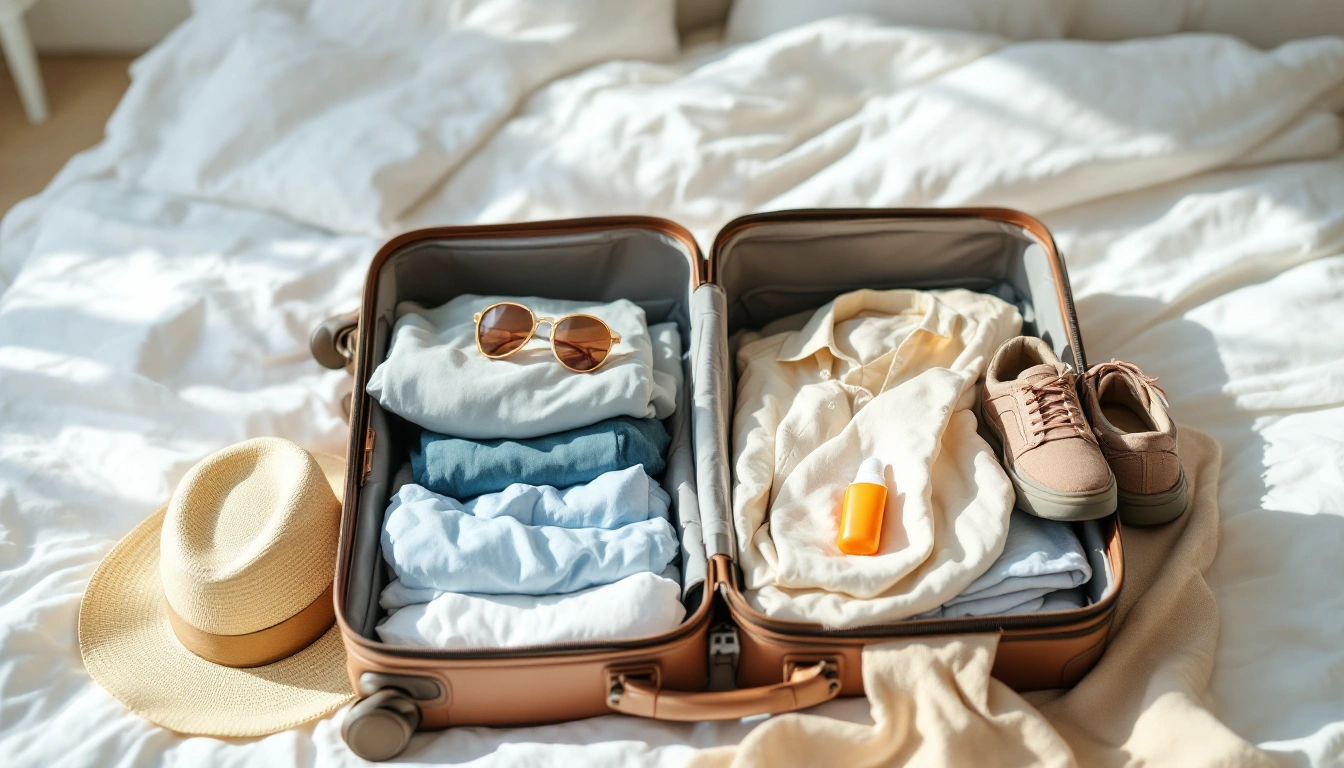
Two days out: pack the suitcase. Shoes and anything heavy go in first, along the wheels end, so the weight sits low. Roll clothes instead of folding — it uses less space and cuts down on wrinkles from a case that gets tossed around at the airport.
The morning you leave: pack the park bag last, separately, with whatever you'll want in the first two hours — not dug out from the bottom of a suitcase at 6am.
A packing checklist organized around this same timeline, with a day-by-day outfit tracker, is in the free First-Timer Planning Binder.
Suitcase vs. carry-on
If you're flying, split by function, not by person. One bag carries a full change of clothes for everyone plus medication and chargers — if the other bag gets delayed a day, that bag gets you through it. Pack that one as a carry-on if you can.
For a five- to seven-night trip, most families do better with one large checked bag per two people than one medium bag each. Fewer zippers to manage at bag check, and it's easier to redistribute weight if one bag runs over the airline limit.
Rolling vs. cubes
Rolling clothes saves space over folding, full stop. Packing cubes are worth the small cost if you want to keep each person's clothes separate inside a shared suitcase — useful with more than three travelers, close to pointless with two. A cube for underwear and socks, one per person, is the one that earns its space regardless of family size.
Laundry changes the math
If your resort has a laundry room or in-room washer, you don't need to pack a full week of clothes — four or five outfits and a laundry pod plan gets you through seven days. That's the single biggest suitcase-size decision most first-timers get wrong: they pack for every day of the trip instead of planning one wash cycle around day three or four.
Check what your specific resort offers before you commit to this — some have coin or app-pay machines in a shared building, others have them in-room, and a few have neither.
What goes in which bag, exactly
Medication, a phone charger, one change of clothes per person, and anything irreplaceable belong in whichever bag stays with you, not in a checked bag. Everything else can go checked.
Inside the checked bag, group by person using cubes or gallon bags, not by category. It's faster to grab "Jordan's stuff" out of a mixed suitcase than to hunt through a pile of shirts sorted separately from a pile of shorts.
The re-pack for the trip home
Budget space and time for this — most families don't. Whatever you buy in the parks needs to fit somewhere, and wet park clothes and swimsuits need a way to travel that doesn't soak everything else. A couple of gallon bags or a small wet-dry sack, packed empty on the way down, solves this in about ninety seconds instead of turning the last morning into a suitcase puzzle.
Packing for more than one traveler
With a family of four or more, packing by person instead of by category saves real time on the trip itself, not just at home. Assign each traveler a color or a labeled cube, and keep that assignment for the whole trip — it means anyone digging through the suitcase for a specific kid's shirt can find it in seconds instead of unpacking half the bag first.
Splitting responsibility helps too. If each older kid packs and owns their own small section of the suitcase, checking it before you close the lid is faster than one adult trying to track everyone's items from memory.
What weather does to the timeline
Central Florida weather shifts by season, and it's worth checking a realistic forecast range a few days before that final two-days-out packing session, not the ten-days-out one. A trip planned in shorts and sandals can get derailed by an unexpected cold snap or a stretch of rain, and adjusting the suitcase two days out is a lot easier than realizing it in the parking lot on travel day.
Buying what you're missing
A packing cube set and a compression bag or two before you start makes the whole ten-day sequence faster, especially the day you lay everything out and realize you're one bag short of organized. It's a small spend that pays back every single morning of the trip, not just packing day.
The order matters more than the list. Do the laundry and gear check early, lay clothes out by day before you touch the suitcase, and leave the park bag for the morning you actually leave. Follow that sequence once and it becomes the default for every trip after this one.